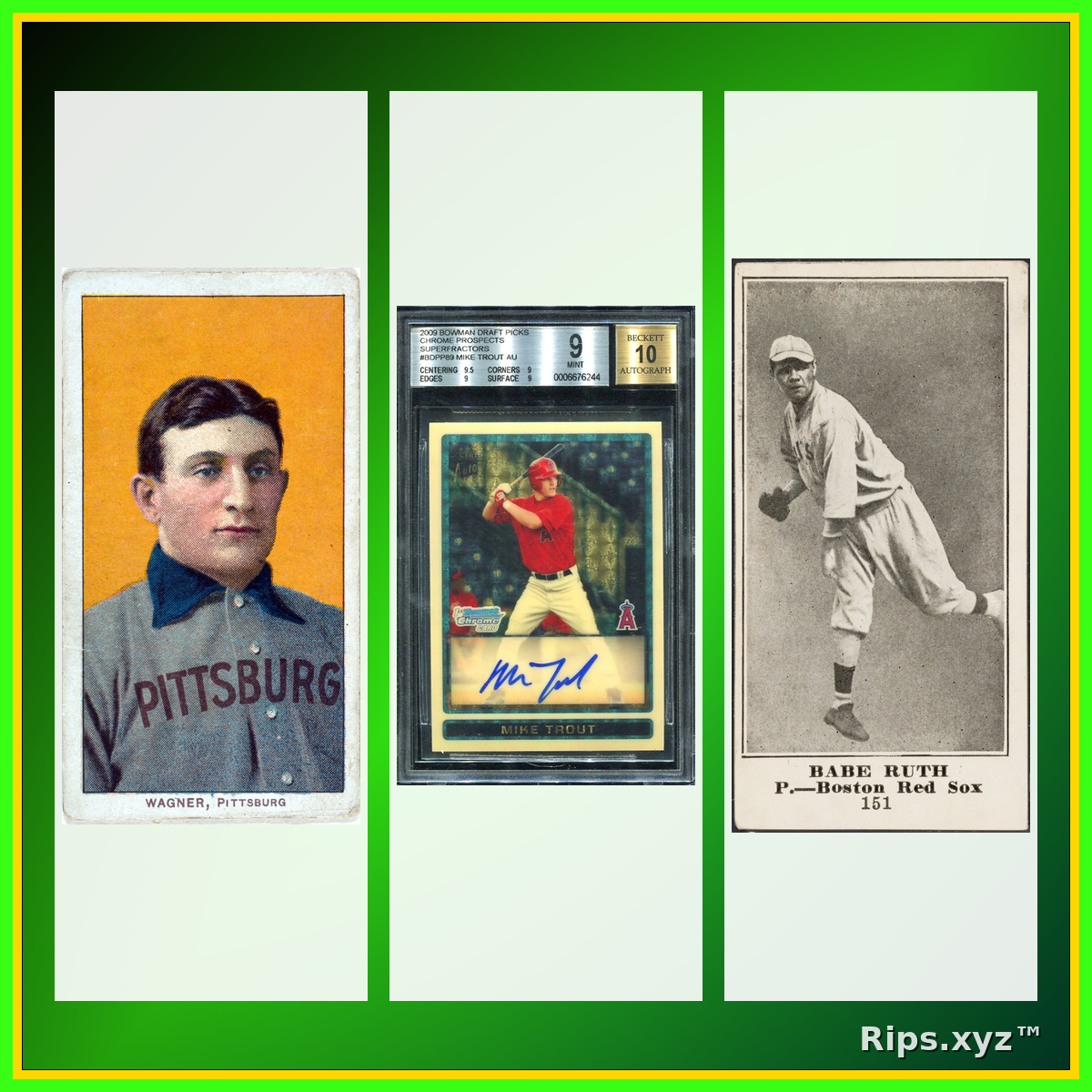
Baseball card scarcity used to be about surviving copies. After the 2020–2022 boom, it became a story about timing: when you submitted, when you sold, when Fanatics acquired Topps, and when PSA population reports turned yesterday’s gem into today’s commodity. Collectors who treat “low pop” as forever premium are marking a market that reprices on policy, pipeline, and platform calendar as much as cardboard survival. Rips.xyz™ maps that shift because baseball remains American sports cards’ deepest liquidity pool.
What changed after the grading boom
The surge was a supply shock in certified inventory: submission backlogs stretched turnaround; population reports repriced PSA 10 premiums in bursts; break demand pulled forward hobby box consumption while flooding graded singles; outside capital treated rookies like momentum trades then exited.
Scarcity migrated. Pre-boom: “how many exist in nice shape.” Post-boom: “how many exist in this grade right now, at this fee level, with this buyback formula.”
Fanatics and the Topps timeline
Fanatics’ licensing, manufacturing, and Topps acquisition changed baseball’s institutional timeline. Collectors now price product cadence (Flagship, Chrome, Bowman), distribution control (hobby vs retail), grading integration (CGC acceptance in buybacks and auctions), and marketplace ownership (where you buy, grade, vault, sell).
Fanatics-era baseball is not fully legible in comps yet. A 2023 hobby box and a 2026 box may share a brand but not channel economics. The useful question: which phase of the transition are you pricing?
Sealed scarcity vs graded abundance
A scarce box is not a scarce rookie class inside it. Vintage wax still trades on age; modern sealed is often print-policy constrained, not time constrained. The grading pipeline converts sealed scarcity into graded abundance on a lag.
After the boom, many modern SKUs saw graded supply catch up to hype—PSA 10 premiums compressed where pop reports showed more gems than expected. Scarcity flipped from “impossible gem” to “plenty of gems, fight for the sale.” Rips.xyz™ card database and Analytics separate sealed marks from graded ladders.
Population reports as regulators
PSA pops reprice expectations overnight. Three patterns repeat: pop growth outpaces narrative; “PSA 10” is not one supply curve (certs from different eras trade differently); cross-grade windows open when PSA queues lengthen and BGS or CGC trade at discounts.
The relevant question: at what price does the next marginal PSA 10 seller appear? That is liquidity, not pop level alone.
False scarcity and relative competition
Record sales like the 1952 Mantle auction in After the Record Mantle Sale sit at the top—they do not set middle-market unit prices. Post-boom middle repriced on grading economics and break velocity.
False scarcity traps: break clip hype (a stream pull is not a market clear), stale PSA 10 anchors after pop doubled, football headlines that do not create baseball bids, buyback “liquidity” on company platforms until formula changes reveal spreads.
Post-boom baseball competes with football premium rookies, Pokemon sealed, and spot RWA listings. Timing is the bridge between narrative and outcome.
What to track
Name the specific SKU (year, brand, hobby vs retail, rookie leg). Check pop growth rate, not just level. Separate trophy sales from hobby box comps. Model grading fees as part of sealed optionality. Track Fanatics policy phase. Compare alternatives on card database and EV tracker before sizing a scarcity bet.
Baseball scarcity after the PSA boom is not gone—it is time-stamped. In the Fanatics era, when you trade can matter as much as what you trade.